Painter guide
Why is your paint peeling and what does it mean for your home?
Why Your Paint Is Peeling — and What It's Actually Telling You
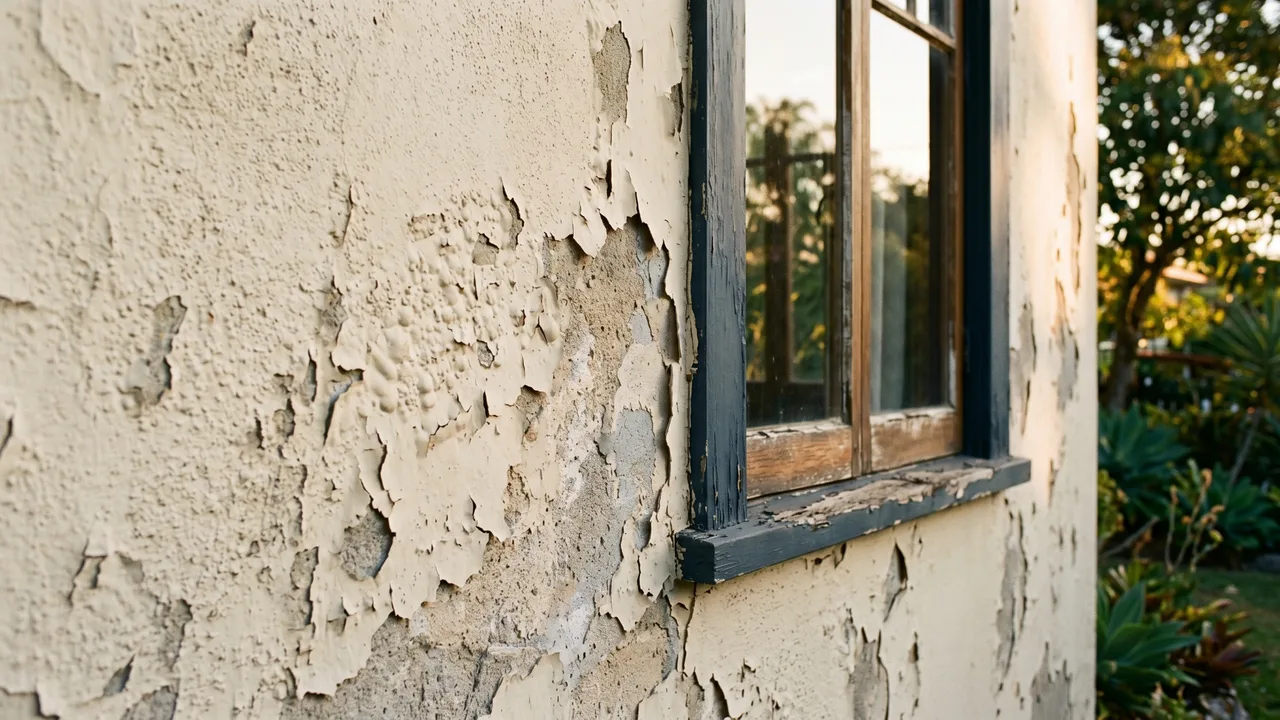
Paint peels for a reason. It is rarely just cosmetic bad luck. When paint lifts, bubbles or flakes off a wall, it means the bond between the paint film and the surface underneath has broken down, and something caused that to happen. Understanding what that something is matters, because fixing the surface without fixing the cause just means you will be peeling paint again in a few years.
The Most Common Causes of Peeling Paint
There are a handful of root causes that come up again and again, particularly on Brisbane homes.
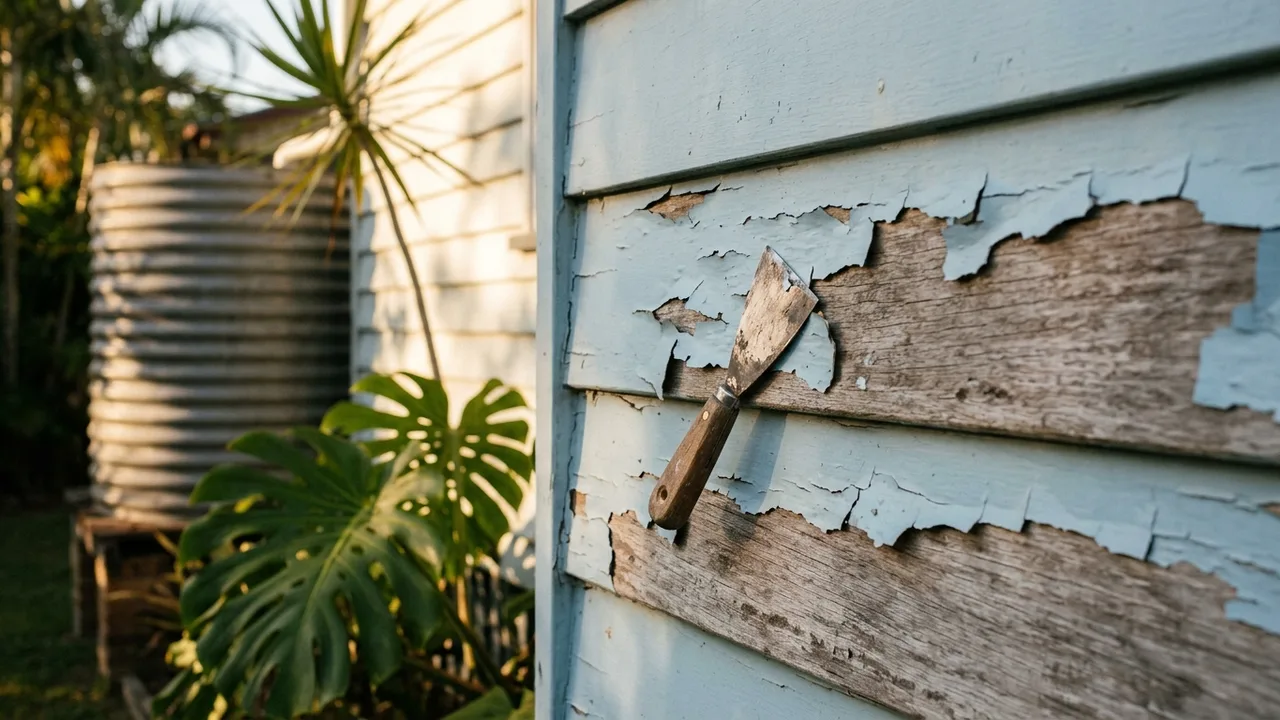
Moisture is the number one culprit. Water gets into a wall cavity, or behind a painted surface, and the pressure it creates when it tries to escape pushes the paint film off from the inside. You see this on bathroom ceilings, around window frames, under eaves and anywhere that water has been sitting or moving through a wall.
Poor surface preparation before the original paint job is just as common. If a surface was not properly cleaned, sanded or primed before the paint went on, the bond was always going to be weak. Heat, UV and humidity just accelerate the inevitable.
Incompatible paint layers can also cause peeling. Oil-based paint applied over an existing water-based (acrylic) coat, or vice versa without correct priming, creates a layer that cannot flex and bond properly. Brisbane's temperature swings, from cool winter mornings to 35-degree afternoons, put real stress on those incompatible layers.
Age and UV degradation will eventually break down any paint film, especially on north and west-facing walls that cop direct sun through most of the day. Paint chalks and becomes brittle, then starts to peel at the edges of any small crack or join.
What the Location of the Peeling Tells You
Where the paint is peeling is often more useful than how much is peeling.
- Peeling on interior ceilings, especially in bathrooms or laundries: Usually a ventilation problem. Steam that has nowhere to go condenses on the ceiling and works behind the paint. This is common in homes across the Belmont, Carina and Mansfield areas where older renovations added bathrooms without upgrading exhaust fans.
- Peeling around window and door frames: Check for failed sealant joints or timber that is swelling and contracting. Once the seal between frame and wall breaks, water tracks in behind the paint and peeling follows.
- Peeling on external weatherboards, particularly on south-facing walls: Often a combination of moisture from outside and limited sun to dry it out. Timber weatherboards in older homes through Holland Park, Wishart and Mount Gravatt East are prone to this.
- Peeling on a previously painted render or masonry wall: Could point to rising damp, particularly in homes with gardens built up against the external walls. Water wicks up through the render and has nowhere to go but out through the paint.
- Peeling on ceilings throughout the house (not just wet areas): This is sometimes a sign of a roof issue allowing moisture into the ceiling cavity. It is worth checking before you repaint anything.
Is Peeling Paint a Health or Safety Issue?
In most cases, no, not immediately. But it is worth knowing the exceptions.
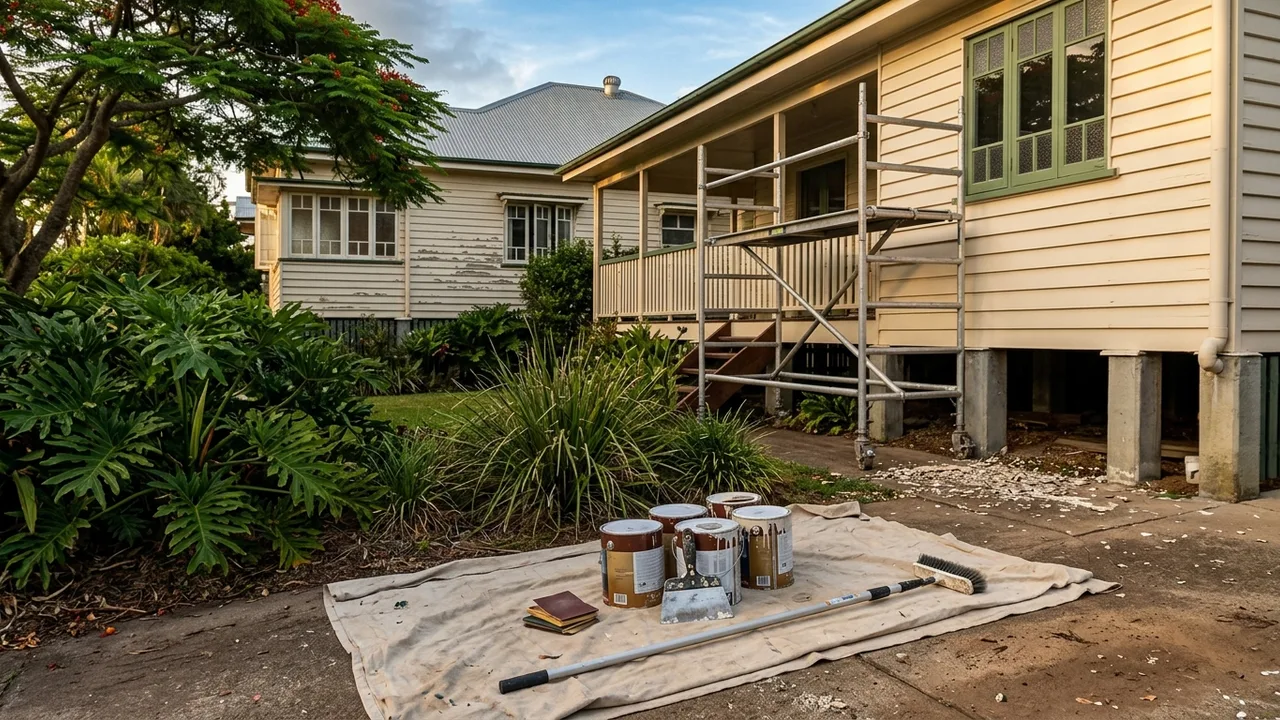
Homes built before the mid-1970s in Australia may have been painted with lead-based paint. Peeling or sanding lead paint creates fine dust that is genuinely hazardous, particularly for children and pregnant women. If your home in Belmont, Carina Heights or anywhere in the cluster dates from before about 1975, and you are not sure what is underneath the current coats, it is worth getting a lead paint test kit (available at most hardware stores) before you do any significant scraping or sanding. If lead is present, disposal and surface prep rules apply and a licensed tradesperson should handle it.
For homes without lead paint, peeling paint itself is not a health hazard, but the moisture causing it can be. Damp walls breed mould, and mould affects air quality. If you are seeing dark spotting alongside the peeling, that is worth addressing promptly.
Can You Just Paint Over Peeling Paint?
No. Not if you want the repair to last.
This is one of the clearest trade-offs in home maintenance. You can paint over minor chalking or faded paint with correct preparation. But painting over lifted, bubbled or flaking paint almost always results in the same problem recurring within one to three years, sometimes faster.
Proper preparation means scraping back all loose paint to a firm edge, feathering the edges of the scraped area with sandpaper, filling any holes or cracks, priming bare surfaces, and then applying a suitable topcoat. On an exterior surface that has significant peeling across large areas, that process takes time, and it is where a lot of DIY paint jobs come unstuck. The temptation is to do a quick scrape and roll straight over it. The result looks fine for six months, then peels again.
The cost difference between doing it properly and doing it quickly is real. A thorough exterior prep and repaint on a typical Belmont home might run $3,500 to $8,000 depending on size and condition. A quick coat-over might cost less up front but you are likely doing it again sooner, and the underlying problem (moisture, incompatible layers, failed sealant) has not been addressed.
When Peeling Is a Warning Sign for Something Bigger
Sometimes peeling paint is the first visible sign of a more significant building issue.
Rising damp, roof leaks, plumbing leaks inside wall cavities and failed waterproofing in wet areas can all express themselves first as paint problems. If you are seeing peeling that keeps coming back in the same spot even after repainting, that pattern is telling you something. The paint is not the problem. The paint is just showing you where the problem is.
In Brisbane's wetter subtropical climate, roof and gutter maintenance matters more than in drier parts of the country. Blocked gutters on homes with large gum and jacaranda trees (a feature of many streets through Holland Park West and Wishart in particular) mean water overflows against fascias and walls during heavy rain events. Over time, that saturates timber and render and the paint fails. Clearing gutters and ensuring downpipes drain clear of the building footprint is a genuine preventive step, not just general home maintenance advice.
Similarly, garden beds built up above the damp course on brick or rendered homes allow soil moisture to bypass the waterproofing that was designed into the original construction. Lowering garden beds away from the wall face is a $0 fix that can meaningfully slow paint deterioration.
What to Do Next — a Practical Approach
Start by identifying the cause before you plan the fix. Walk around the property and look closely at where the peeling is occurring. Check the corresponding areas for moisture sources: roof condition above, gutters, plumbing, ground drainage, garden beds, sealant condition around frames.
If the cause is clearly surface prep or age (the paint has just done its time and the surface is otherwise sound), then a properly prepared repaint is the right answer and you can move forward with confidence.
If the cause is less clear, or if peeling keeps recurring, it is worth having a builder or licensed waterproofer take a look before you spend money on paint. Repainting a wall that is still wet inside is money wasted.
When you are ready to repaint, be specific with whoever you hire about what you have observed. A painter who asks questions about moisture, prep and previous paint systems before quoting is one who understands that the surface work is where durability comes from. The paint itself is the last 20 per cent of the job.
If you are in Belmont, Carina, Mansfield, Holland Park or any of the surrounding suburbs and you would like a local painter who can have a proper look at what is going on before committing to a quote, that is a reasonable starting point for a conversation.
Quick answers