Painter
Surface Prep and Crack Repair.
What Surface Prep and Crack Repair Actually Involves
Most paint jobs fail at the prep stage, not the painting stage. Surface prep is the unglamorous work that happens before a single drop of topcoat goes on, and it makes or breaks how long the finish lasts.
In practice, this service covers:
- Scraping loose, peeling or flaking paint back to a stable surface, using scrapers, heat guns or rotary tools depending on the paint type and how stubbornly it's holding on
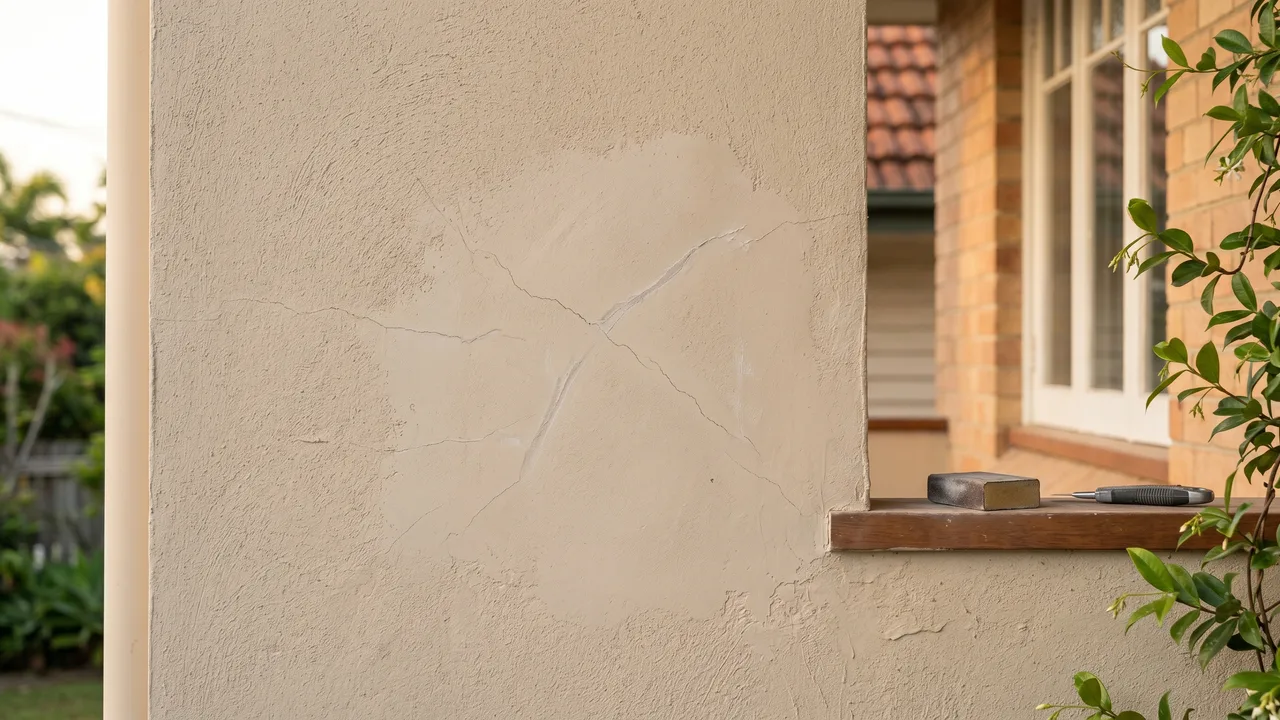
- Crack and gap filling with flexible fillers or acrylic compounds, matched to whether the surface is internal plasterboard, external render, weatherboard or fibre cement
- Sanding filled areas smooth, feathering edges so the repair disappears under paint rather than telegraphing through it
- Priming bare or repaired areas so the topcoat bonds properly and doesn't flash or absorb unevenly
On older Belmont homes, particularly the post-war weatherboards common around Carindale and Carina, this can also mean treating any exposed timber with a timber primer before any colour goes on. Rendered brick homes in Wishart or Rochedale may need a render sealer where surface porosity is uneven.
For exterior work, a pressure wash typically comes before any scraping, clearing off mould, dirt and loose chalking paint. That step matters more here than in drier climates because Brisbane's humidity encourages mould growth on shaded south-facing walls and under eaves.
When Does a Belmont Home Actually Need This?
Not every repaint needs extensive prep. A well-maintained surface painted five years ago might only need a light sand and a spot prime. But in several situations, proper prep is non-negotiable.
Look for these signs on your property:
- Paint is bubbling, peeling or lifting in sheets (common on weatherboard homes after a wet summer)
- Hairline cracks in render or cornice that have widened over time
- Previous DIY fills that are cracking back out because they weren't primed correctly
- Chalky, powdery surface when you run a hand across exterior walls
- Uneven sheen from old patches that were painted over without sanding
In Brisbane's Outer East, the subtropical climate means surfaces cop a real beating. Summer storms drive moisture into any crack or gap. If left unsealed, that moisture gets under paint and pushes it off from behind. Addressing cracks before a repaint is cheaper than repainting the same wall twice in three years.
Timing-wise, the best window for exterior prep and painting in this part of Brisbane is typically late March through to October, avoiding peak humidity and the storm season. Interior prep work can be done year-round.
What It Costs in Brisbane
Surface prep is almost always bundled into a full interior or exterior repaint quote rather than sold as a standalone job. As part of a repaint, thorough prep typically adds $200 to $800 to the total cost of a job, depending on the surface condition.
Factors that move the price up:
- Large areas of peeling paint requiring full scrape-back
- Multiple coats of old paint that need cutting through
- High-set Queenslander-style homes where working at height takes more time and may require scaffolding or elevated platforms
- A large number of individual cracks or damaged patches
- Lead paint present (more on that below)
As a rule of thumb, a single-storey home in Belmont or Wakerley in reasonable condition might budget $300 to $500 for prep as part of a full exterior repaint. A weatherboard home in poor condition could see that climb to $1,000 or more, particularly if significant areas need stripping back.
What's Typically Included vs What Costs Extra
Usually included in a standard quote:
- Spot filling of minor cracks and nail holes
- Sanding of filled areas
- Spot priming before topcoat application
- Basic surface cleaning before interior work
Typically quoted separately or as an extra:
- Full strip-back of heavily failed paint systems
- Scaffolding or elevated work platform hire (often a separate line item on high-set homes)
- Specialist treatment for mould-affected areas beyond standard prep
- Full-coat priming of an entire surface (as opposed to spot priming)
Always ask what the quote includes. A lower price that skips primer on bare timber is not a saving.
A Note on Lead Paint
Homes built before 1970, and some up to the early 1980s, may have lead-based paint on surfaces. This is relevant across older pockets of the cluster, including parts of Holland Park, Mansfield and Mount Gravatt. Sanding or scraping lead paint without precautions creates a health risk for the occupants and the tradesperson.
A qualified painter should be able to identify suspected lead paint and handle it according to Queensland Workplace Health and Safety guidelines, including appropriate containment, PPE and disposal. If you're unsure about your home's paint history, it's worth asking the question before any scraping begins.
Licensed tradespeople operating here carry public liability insurance. If you're using this service to connect with a local painter, the providers we refer are checked against that basic requirement.
Is This the Right Service for Your Home?
If your walls are in decent shape and you just want a colour change, you may not need much more than standard prep included in any repaint quote. But if you can see cracking, peeling, old patchwork or a chalky exterior surface, a proper prep-focused approach will make the paint job last significantly longer.
A good way to judge: if the current paint surface looks worse each year rather than just fading, the underlying surface needs attention before the next coat goes on.
If you'd like to talk through what your property in Belmont or the surrounding suburbs actually needs, a conversation with one of the local painters we work with is a practical first step. They can tell you on-site whether it's a light prep job or something more involved.
Quick answers
Frequently asked.
Can I skip surface prep and just paint over cracks?
How do I know if my home has lead paint?
Is surface prep included in a standard painting quote?
How long does surface prep take on a typical Belmont home?
What filler is used for exterior cracks on rendered walls?
Do I need to be home during the prep work?
Ready to book
Quickest is by phone.
Up-front pricing on the call. Booked in one go. No site visit needed.